
Mudjacking vs Polyurethane Foam Lifting: Which one is right for you?
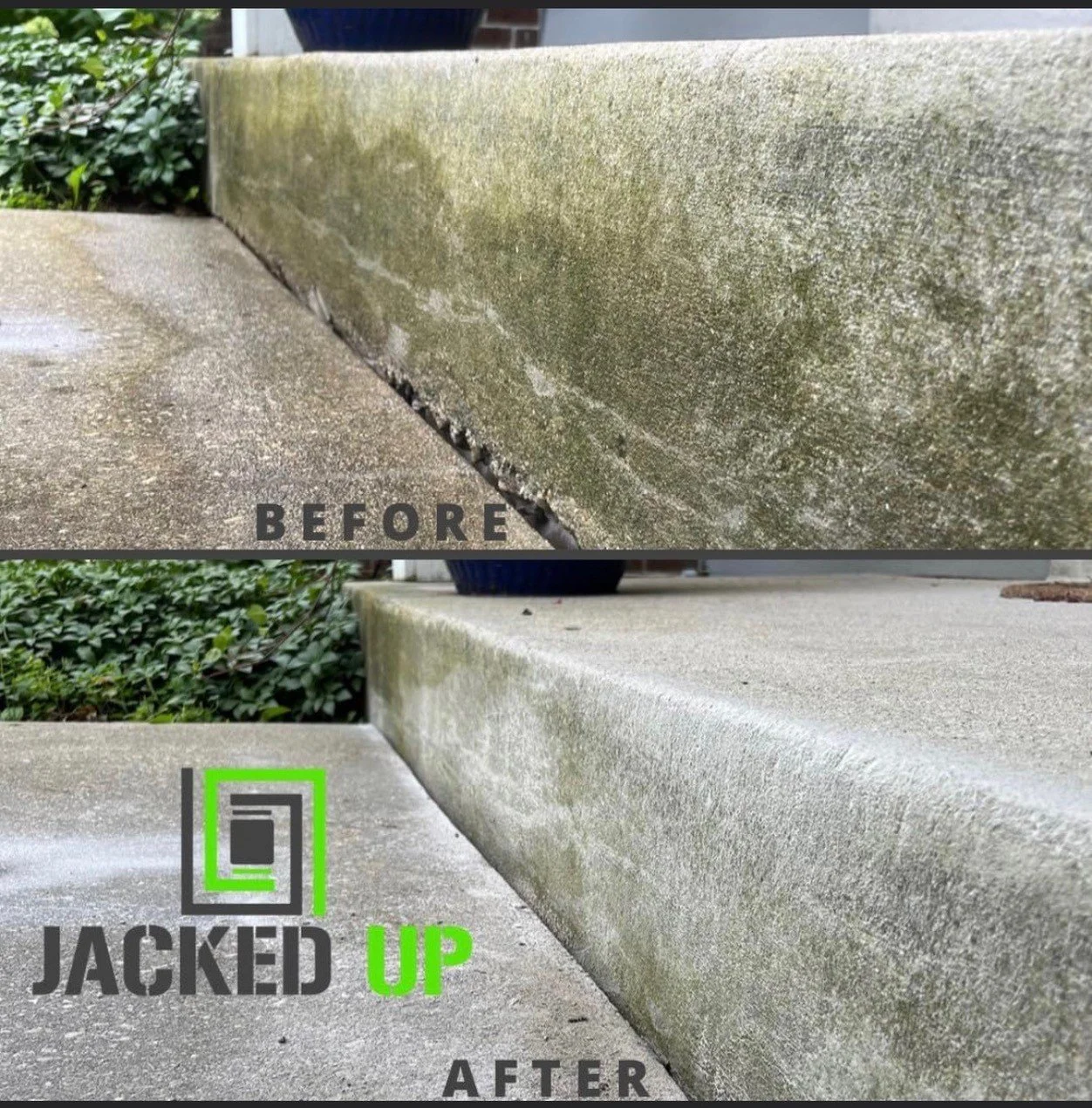
Mud Jacking vs. Polyurethane Foam Lifting: Which One Is Right for You?
If your concrete is sinking or uneven, you’re probably comparing mud jacking and polyurethane foam lifting—the two most common methods for concrete leveling.
Both techniques lift sunken slabs back into place, but they’re not created equal. Here’s a side-by-side breakdown to help you decide which method is best for your concrete repair project.
Mud Jacking Overview
How it works: A grout-like slurry (usually a mix of water, soil, and cement) is pumped through small holes in the concrete to raise the slab from below.
Pros:
More affordable for larger areas like driveways or patios
Uses natural materials (more eco-friendly)
Time-tested and widely available
Ideal for heavy-duty applications
Cons:
Slightly larger drill holes (~1.5 inches)
Takes longer to cure (typically 24 hours)
Heavier material may not be suitable for unstable soils
Polyurethane Foam Lifting Overview
How it works: Lightweight foam is injected under the slab. As it expands, it fills voids and lifts the concrete.
Pros:
Faster curing (ready in 15–30 minutes)
Smaller drill holes (~⅝ inch)
Lightweight for unstable soils
Great for small, precise repairs
Cons:
More expensive (especially for large jobs)
Less environmentally friendly (synthetic foam)
May require specialized equipment or technicians
Which Method Is Right for You?
Large surface area - Mud Jacking
Quick turnaround needed - Foam Lifting
Environmentally conscious - Mud Jacking
Highly unstable soil - Foam Lifting
Budget-friendly solution - Mud Jacking
Final Thoughts:
Both mud jacking and polyurethane foam lifting are excellent options for repairing sunken concrete. The right choice depends on your budget, timeline, and soil conditions.
Still unsure? Let’s talk it through.
Contact Jacked Up Concrete Leveling for a free, honest assessment and recommendation based on your specific needs.
